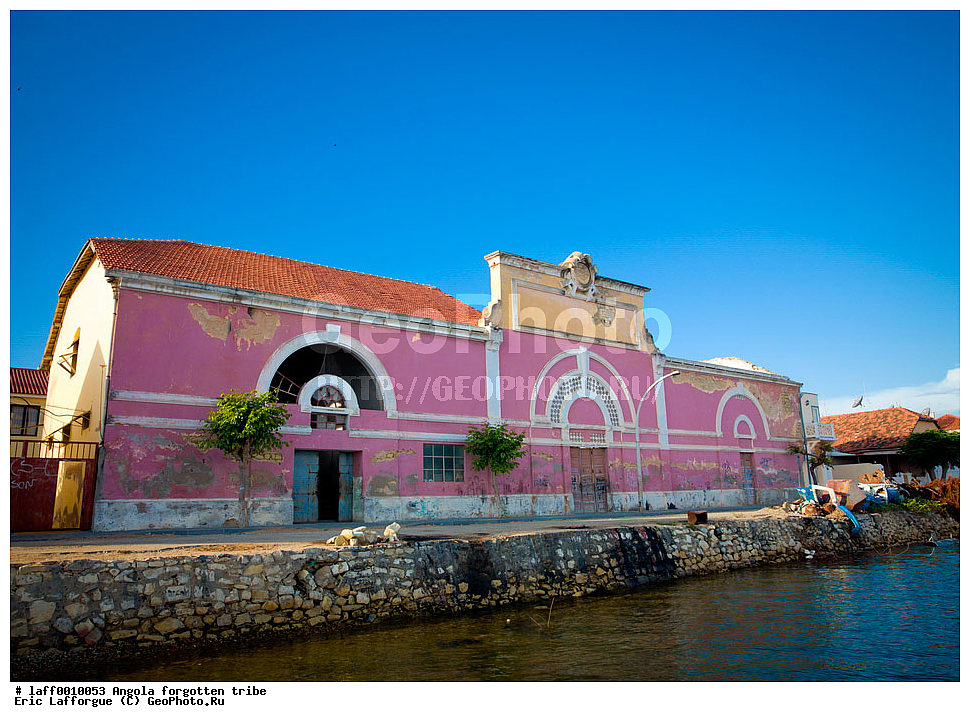
Дополнительная информация: In 1951, the colony was designated as the Overseas Province of Angola. Portugal had a presence in Angola for nearly five hundred years, and the population's initial reaction to calls for independence was mixed. Political organizations first appeared in the 1950s, and began to make organised demands for their rights, especially in international forums such as the Non-Aligned Movement. The Portuguese regime, meanwhile, refused to accede to the nationalists' demands for independence, provoking an armed conflict that started in 1961 when black guerrillas attacked both white and black civilians in cross-border operations in northeastern Angola. The war came to be known as the Colonial War. In this struggle, the principal protagonists were the MPLA (Popular Movement for the Liberation of Angola), founded in 1956, the FNLA (National Front for the Liberation of Angola), which appeared in 1961, and UNITA (National Union for the Total Independence of Angola), founded in 1966. After many years of conflict, Angola became independent on 11 November 1975, after the 1974 coup d'Etat in Lisbon, Portugal, which overthrew the Portuguese regime headed by Marcelo Caetano. Portugal's new revolutionary leaders began a process of democratic change at home and acceptance of its former colonies' independence abroad. These events prompted a mass exodus of Portuguese citizens from Portugal's African territories (mostly from Angola and Mozambique), creating over a million destitute Portuguese refugees, called ?the retornados. Nowadays the Portuguese make up the largest non-African population, with more than 100,000.


 Показать в высоком разрешении